
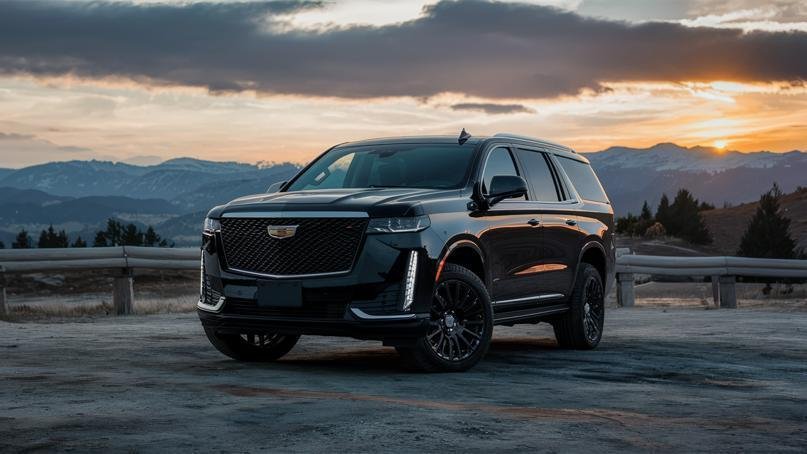
February’s unusual cold has turned routine transportation decisions into strategic calculations. When your JFK arrival coincides with single-digit temperatures and your meeting can’t wait for a no-show driver, booking a luxury car service in NYC becomes less about convenience and more about reliability you can bank on.
The difference between professional luxury car service in NYC and app-based alternatives crystallizes in weather like this. Fixed-rate black car services maintain fleet standards, driver availability, and pickup protocols specifically designed for New York’s operational realities–bridge delays, terminal congestion, weather disruptions that derail amateur logistics.
This guide walks through the booking process for luxury car service in NYC from vehicle selection to payment confirmation, with particular attention to factors that matter when reliability isn’t optional.
Understanding NYC Luxury Car Service Options
Not all luxury transportation operates identically. NYC’s commercial vehicle landscape includes distinct service categories, each optimized for different use patterns.
Black Car vs. Traditional Limo vs. Executive Sedan
Black car services provide sedan or SUV transportation with professional chauffeurs, TLC licensing, and commercial insurance requirements. These vehicles serve the day-to-day executive transport market–airport transfers, corporate meetings, client entertainment. Pricing typically structures around point-to-point flat rates or hourly minimums.
Traditional limousine service refers to stretched luxury vehicles or specialty cars (think: stretch Lincoln, party buses, vintage Rolls-Royce). These cater to events requiring visual impact–weddings, proms, milestone celebrations. Pricing runs higher per hour; practical applications remain limited for routine business travel.
Executive sedans and chauffeur services represent the high-end segment of black car transportation. Expect late-model luxury vehicles (Mercedes S-Class, BMW 7 Series), enhanced amenities (leather seating, premium sound systems, privacy partitions), and chauffeurs trained in discretion protocols. This category serves C-suite travel, high-net-worth individuals, and situations where presentation matters as much as punctuality.
Gotham Ride’s professional airport transfer services combine black car reliability with executive service standards–TLC-compliant chauffeurs, maintained fleet, fixed pricing that eliminates surge mechanics.
Fleet Categories and Passenger Capacity
Vehicle selection affects comfort, cost, and functionality. Understanding capacity constraints prevents booking errors.
Business Class Sedans (3 passengers, 2 bags): Audi A6, Cadillac XTS, Mercedes E-Class. Standard choice for solo executives or couples traveling light. Base rates start around $173 for typical Manhattan-to-NJ routes.
Business SUVs (6 passengers, 5 bags): Chevrolet Suburban, GMC Yukon XL. Solves the group travel equation–small teams, families with luggage, golf outings requiring equipment transport.
First Class Sedans (4 passengers, 2 bags): Mercedes S-Class, BMW 7 Series. When client perception matters or you need mobile office functionality–conference calls requiring cabin quiet, Wi-Fi stability through tunnels.
Sprinter Vans (15 passengers, 15 bags): Full-size group transport for board meetings, site visits, wedding parties. Cost per person drops significantly below booking multiple sedans; logistics simplify with single vehicle coordination.
For detailed vehicle specifications and current availability, review our diverse fleet options.

When to Book Your Luxury Car Service in NYC
Timing determines availability, vehicle choice, and occasionally pricing during peak demand windows.
Advance Booking Windows by Service Type
Airport Transfers: Reserve 24-48 hours ahead for standard service. This window allows flight detail confirmation, chauffeur assignment, route planning around known construction or event traffic. Last-minute bookings (under 6 hours) face availability constraints during high-volume periods–morning departures, Friday evenings, Sunday returns.
Corporate Events: Book 5-7 days out for single vehicles, 10-14 days for multiple-car coordination. Large corporate events requiring 3+ vehicles need advance scheduling to ensure fleet availability and driver staffing.
Special Occasions: Weddings, galas, milestone celebrations warrant 3-4 week lead times. Specialty vehicles (vintage cars, stretched limousines) maintain limited fleet counts; popular dates book quickly.
Hourly Charter: 48-72 hours provides comfortable booking runway for hourly charter flexibility, though same-day service often remains available for standard sedans outside peak windows.
The 24-hour booking threshold offers a practical balance–enough time for proper logistics without unnecessary advance commitment when travel plans retain fluidity.
Peak Demand Periods in New York City (February 2026 Focus)
Understanding NYC’s demand surge patterns prevents booking failures during critical periods.
Weather Events: February 2026’s cold snap illustrates weather’s impact on transportation reliability. When temperatures drop into single digits or snow warnings issue, demand for professional car services spikes as app-based drivers cancel shifts. During the February 6-8 cold period, rideshare wait times exceeded 45 minutes in parts of Manhattan while luxury car service in NYC maintained standard 15-minute dispatch windows.
Fashion Week (February 7-15, 2026): NYFW creates predictable capacity constraints around Lincoln Center, Midtown venues, and hotel corridors. Booking 4-5 days ahead secures vehicle availability; day-of requests face premium pricing or limited options.
Business Quarter-Ends: December, March, June, September see elevated corporate travel as teams coordinate quarterly reviews, board meetings, and strategic planning sessions. These periods strain luxury car service in NYC capacity, particularly for multi-vehicle bookings.
Holiday Corridors: Thanksgiving week, December 20-January 2, and major three-day weekends see leisure and business travel collide. JFK/LGA/EWR airport transfers require 3-4 day booking leads during these windows.
UN General Assembly (September): While outside February, UNGA represents NYC’s most intense transportation demand week. Midtown becomes a logistics nightmare; professional services implement minimum booking requirements and restricted availability.
Gotham Ride’s transparent all-in pricing eliminates surge mechanics–rates remain consistent during peak periods, providing budget certainty when competitor pricing fluctuates.

Step-by-Step: Booking Process for NYC Car Services
Professional reservation systems balance simplicity with detail capture necessary for reliable service execution.
Online Booking Platforms vs. Phone Reservations
Modern luxury car service in NYC offers multiple booking channels, each with distinct advantages.
Online booking platforms provide 24/7 access, instant pricing transparency, and written confirmation records. Gotham Ride’s streamlined booking system calculates all-in pricing immediately–no hidden fees discovered at checkout. The advantage shows particularly for after-hours bookings when calling might reach voicemail rather than live dispatch.
Phone reservations (212-763-7722) enable complex itinerary discussions–multiple stops, special requirements, same-day urgent requests requiring immediate vehicle assignment. Speaking directly with dispatch resolves ambiguities faster than email back-and-forth. Corporate accounts managing multiple executives’ schedules benefit from relationship-based phone booking where dedicated account managers understand organizational patterns.
Mobile apps combine online convenience with trip tracking capabilities. Real-time driver location visibility, direct driver messaging, and digital receipts streamline business travel expense documentation. Gotham Ride’s app is available in the Apple App Store and Google Play Store.
Most experienced users adopt a hybrid approach–online booking for routine airport transfers with confirmed flight details, phone support for time-sensitive or complex logistics requiring human judgment.
Required Information for Your Reservation
Accurate booking details determine service quality. Missing information creates operational friction; over-specification introduces unnecessary complexity.
Essential Details (Always Required):
- Pickup date and time: Include time zone clarity for international bookers. For airport pickups, specify flight number rather than requested pickup time–flight tracking adjusts for delays automatically.
- Pickup location: Full street address with cross-streets if midblock. For airports, specify terminal and airline if known.
- Destination address: Same specificity as pickup. For events at large venues, note which entrance (loading dock vs. main entrance affects route approach).
- Passenger count: Accurate count ensures proper vehicle sizing. Understating by even one passenger can necessitate vehicle changes.
- Luggage quantity: Standard bags, oversized items (golf clubs, skis), or checked luggage count affects trunk capacity calculations.
Helpful Additional Information:
- Contact phone number: Must be monitored during pickup window. Driver coordination often requires real-time communication.
- Flight details: Even for non-airport trips, if your schedule depends on incoming flight arrival, share flight number so dispatch can monitor delays.
- Special requests: Child car seats (specify age and weight), wheelchair accommodation, temperature preferences, refreshment requests.
- Corporate billing codes: If charging to company account, include cost center or project codes for accounting reconciliation.
Information You Can Skip:
- Detailed route preferences (professional drivers know optimal routing)
- Excessive personal preferences that belong in “special instructions” field
- Payment details if account billing applies
Payment Methods and Deposit Requirements
Luxury car service in NYC payment structures vary by provider and booking type.
Accepted Payment Methods:
- Credit cards: All major cards (Visa, Mastercard, Amex, Discover) process through secure payment gateways. Card-on-file arrangements enable single-click future bookings.
- Corporate billing: Established accounts receive monthly invoicing with detailed trip records for expense reconciliation.
- Digital wallets: Apple Pay, Google Pay support streamlines mobile booking transactions.
Deposit Policies:
- Standard reservations: Most luxury car services require full payment at booking or card authorization for the estimated amount. This guarantees vehicle commitment.
- Hourly charters: Minimum hour requirements (typically 3-hour minimum) with deposits covering the minimum charge.
- Large groups/events: Multi-vehicle bookings may require 25-50% deposits, with final payment due 48-72 hours pre-service.
Cancellation Terms: Free cancellation typically extends to 24 hours before scheduled pickup. Later cancellations incur 50-100% fees depending on proximity to service time. These policies protect against revenue loss from held vehicles that can’t be reassigned.
Understanding these requirements before booking prevents surprise charges and sets realistic expectations around commitment flexibility.
Booking Timeline Reference Table:
| Service Type | Recommended Booking Window | Cancellation Deadline | Peak Season Lead Time |
|---|---|---|---|
| Airport Transfer | 24-48 hours | 24 hours before pickup | 48-72 hours |
| Corporate Meeting | 5-7 days | 48 hours before pickup | 7-10 days |
| Hourly Charter | 48-72 hours | 24 hours before start | 5-7 days |
| Special Event | 3-4 weeks | 1 week before event | 4-6 weeks |
| Group Transport (3+ vehicles) | 10-14 days | 1 week before pickup | 2-3 weeks |
Pricing Transparency: What You Should Know
Rate structures in luxury car service in NYC range from genuinely transparent to deliberately opaque. Understanding pricing mechanics prevents budget surprises.
Base Rates vs. All-Inclusive Pricing
Base rate advertising shows only the vehicle charge–before gratuity, taxes, tolls, and fees. A “$95 airport transfer” becomes $135+ at checkout after 15% gratuity ($14.25), 8.875% NY sales tax ($8.44), and potential surcharges. This approach benefits providers through lower advertised pricing that attracts initial interest.
All-inclusive pricing rolls everything into the quoted figure–vehicle, gratuity, taxes, tolls, fees. What you see is what you pay. No checkout surprises, no mental math calculating final costs, no awkward cash-tip decisions upon arrival.
Gotham Ride uses all-inclusive pricing structures. When the system quotes $158.81 for JFK-to-Manhattan transfer, that’s the total charge–no hidden additions, no surge multipliers during peak hours, no weather premiums during February’s cold snap.
The pricing transparency advantage compounds for corporate travel managers approving multiple bookings monthly. Budget forecasting requires reliable cost inputs; variable pricing models introduce unnecessary uncertainty into expense planning.
Gratuity, Taxes, and Additional Fees Explained
Understanding each pricing component clarifies where your money goes.
Gratuity (15% mandatory): Built into quoted pricing with reputable services. This compensates chauffeurs for professional service standards–punctuality, vehicle cleanliness, courtesy, local route expertise. Exceptional service (proactive communication during delays, luggage assistance beyond standard carry) merits additional cash tips at client discretion.
NY Sales Tax (8.875%): Applies to all ground transportation services in New York. Non-negotiable, government-mandated. Legitimate businesses collect and remit this; tax avoidance schemes indicate unlicensed operators.
Tolls and Bridge Fees: Major crossing charges (Lincoln Tunnel, Holland Tunnel, George Washington Bridge, various NYC bridges) typically include in flat-rate pricing for standard routes. Verify if tolls are built into quotes; some providers charge separately, creating unpredictable costs for bridge-dependent routes.
Airport Fees: Some airports assess commercial vehicle charges (Newark imposes pickup fees). Transparent operators include these in airport transfer pricing rather than surprising customers with “airport surcharges” post-trip.
Extra Stop Charges: Point-to-point pricing assumes direct routing. Intermediate stops (coffee run, document pickup) incur additional fees–typically $15-25 per stop depending on location and time impact.
Wait Time Beyond Complimentary Window: Airport transfers include generous wait time (60 minutes for international arrivals allows customs/baggage). Exceeding complimentary windows triggers hourly wait charges. Point-to-point trips include 15 minutes; longer stops benefit from switching to hourly charter pricing.
After-Hours Premiums: Some operators charge extra for pickups between midnight-5am. Professional services maintain 24/7 availability at standard rates–transportation emergencies don’t respect business hours.
Selecting the Right Vehicle for Your Needs
Vehicle category decisions balance passenger comfort, luggage capacity, presentation requirements, and cost efficiency.
Airport Transfers: Luggage and Passenger Considerations
Airport logistics introduce unique constraints. Trunk capacity becomes critical; route reliability affects pickup timing; comfort matters after long flights.
Solo or Couple Travel (1-2 passengers, 2-4 bags): Business class sedan solves most scenarios economically. Mercedes E-Class trunks accommodate two large checked bags plus carry-ons comfortably. JFK to Manhattan car service pricing averages $158.81 including all fees–reasonable for professional service eliminating parking hassles and subway luggage struggles.
Small Group Travel (3-4 passengers, 4-6 bags): Business SUVs become necessary. Three passengers technically fit sedan back seats, but comfort suffers during 45-minute airport runs. SUVs provide the space and third-row seating when needed. Suburban or Yukon XL models handle larger luggage loads from extended international trips.
Family Travel with Children: Factor child car seat requirements into vehicle selection. Sedans accommodate one car seat; multiple young children require SUVs for proper installation spacing. Request child seats during booking (specify age and weight)–professional services provide proper equipment rather than expecting families to transport bulky seats through airports.
Group Transport (5+ passengers): Mercedes S-Class executive sedans won’t solve this equation. Sprinter vans handle up to 15 passengers with luggage, offering dramatic per-person cost advantages over multiple sedans. A $437 Sprinter split eight ways ($54.63/person) undercuts booking three sedans at $158.81 each ($476.43 total, $59.55/person).
Weather Consideration for February 2026: Cold weather introduces comfort priorities beyond normal calculations. Heated seats, climate-controlled interiors, and vestibule protection during loading become relevant. Professional fleets maintain winter-ready vehicles; gig economy drivers may operate older vehicles with marginal heating systems.
Corporate Travel: Business-Class Vehicle Features
Executive transportation requirements extend beyond basic conveyance. Mobile productivity, confidentiality, presentation standards influence vehicle selection.
Mobile Office Functionality: Conference calls during transit require reliable connectivity. Look for Wi-Fi systems that function through tunnels (Holland, Lincoln, Queens-Midtown maintain intermittent cell signals). Power outlets/USB charging ports support device usage without battery anxiety. Privacy partitions enable sensitive discussions without driver eavesdropping concerns.
Presentation Standards: Client transportation requires visual impression management. Late-model luxury sedans signal organizational success; aged vehicles undermine positioning regardless of mechanical reliability. These executive vehicles specifically serve client-facing scenarios where vehicle appearance matters.
Discretion Requirements: C-suite transportation demands driver professionalism beyond punctuality–understanding when silence is appropriate, avoiding unnecessary conversation, handling high-profile passengers without seeking attention or social media posting. TLC licensing represents minimum standards; executive service training addresses behavioral expectations.
Multi-Stop Efficiency: Corporate days involving serial meetings across Manhattan benefit from hourly charter rather than point-to-point bookings. Three separate trips (Midtown to FiDi to Upper East Side) cost more booking individually than a 4-hour charter providing on-demand availability between locations.
For ongoing corporate transportation needs, exploring contracted chauffeur service arrangements provides dedicated driver assignment and priority booking access.
Winter Weather Reliability for February 2026
NYC’s February 2026 cold snap demonstrates why weather preparedness separates professional luxury car service in NYC from casual alternatives.
How Professional Services Handle Cold Weather Disruptions
Temperature extremes affect vehicle operations, driver availability, and traffic patterns. Professional operations implement specific protocols to maintain service reliability.
Fleet Winter Readiness: All-weather tires become standard equipment by November. Battery systems receive cold-weather testing; weak batteries get replaced preemptively rather than discovering failures during 6am airport pickups. Block heaters for extreme cold ensure engines start reliably after overnight freezing.
Backup Vehicle Availability: Single-vehicle operators face complete service failure if their car won’t start. Professional fleets maintain spare vehicle capacity specifically for weather-event surges and mechanical substitutions. When a vehicle experiences issues, dispatch assigns replacements without customer involvement or delay.
Driver Scheduling for Weather Events: Advance weather monitoring allows schedule adjustments before storms hit. Extra drivers get positioned near high-demand areas (airports, hotels, corporate districts). Unlike gig-economy platforms where drivers cancel during bad weather (eliminating earnings risk), employed chauffeurs maintain committed schedules.
Route Adjustment Protocols: February ice storms close bridges periodically; construction zones become impassable during snow events. Professional chauffeurs monitor real-time traffic systems and communicate with dispatch about route conditions. Alternate routing knowledge prevents tourists-with-GPS scenarios where navigation apps route through gridlocked areas.
Passenger Communication: Weather delays benefit from proactive updates. Professional services text pickup time adjustments when weather impacts operations, rather than leaving clients uncertain at scheduled pickup times. Flight tracking automatically extends wait times during weather-related airport delays.
Gotham Ride’s 10+ years operating through NYC winters provides operational depth gig platforms can’t match. Driver retention, institutional knowledge, and fleet investment create reliability competitors struggle matching during weather events.
Vehicle Heating and Passenger Comfort Standards
Cold weather transforms transportation from routine to survival-focused. Comfort becomes safety.
Climate Control Standards: Professional vehicles maintain 68-72°F interior temperatures regardless of exterior conditions. Dual-zone climate systems allow driver and passenger temperature preferences. Rear-seat controls enable passenger adjustment without driver interaction.
Preheating Protocols: Vehicles get started 10-15 minutes before scheduled pickups during extreme cold, ensuring cabins reach comfortable temperatures before passengers board. No one should enter a 20°F vehicle and wait for heaters to warm.
Seat Heating Systems: Heated seats provide immediate warmth while cabin air warms. First-class vehicles include heated rear seats; business-class vehicles increasingly offer this feature as standard rather than premium option.
Cold-Weather Amenities: Hot beverages (coffee, tea, hot chocolate) become available upon request during extreme cold. Blankets for particularly lengthy rides help passengers affected by poor circulation or extended outdoor exposure before pickup.
Pickup Location Flexibility: Professional services accommodate alternate pickup points that minimize passenger exposure. Hotels allow lobby pickups rather than curbside waiting; airports permit terminal door approaches where regulations allow. The goal: reduce client exposure to elements.
February’s single-digit temperatures made these considerations mission-critical. While app-based services cancelled at higher rates (drivers avoiding personal discomfort), professional luxury car service in NYC maintained near-normal service levels because driver employment creates obligation beyond personal weather preferences.
Why Trust Gotham Ride for NYC Transportation
Choosing among dozens of luxury car service options in NYC requires differentiation criteria. Licensing, longevity, and operational transparency separate established operators from transient alternatives.
TLC Licensing and Driver Vetting
The NYC Taxi & Limousine Commission establishes baseline standards for commercial transportation. TLC licensing isn’t optional or cosmetic–it’s the regulatory foundation ensuring passenger safety and service accountability.
TLC Driver Requirements: All Gotham Ride chauffeurs maintain current TLC licensure, requiring:
- FBI criminal background checks
- Drug testing protocols
- Defensive driving course completion
- Clean DMV record verification
- Insurance compliance confirmation
These aren’t one-time checkbox exercises. License renewals trigger updated background checks; violations result in license suspensions that immediately sideline drivers from service. NYC Taxi & Limousine Commission licensing standards establish these requirements comprehensively.
Vehicle Registration Standards: TLC base approval extends beyond driver licensing to vehicle standards. Commercial vehicles must pass stricter safety inspections than private cars–brake systems, suspension components, tire tread depths receive scrutiny preventing mechanical failures that endanger passengers.
Insurance Coverage: TLC requirements mandate commercial liability insurance far exceeding personal auto policies. When accidents occur, proper commercial coverage protects passengers’ interests; unlicensed operators’ personal insurance policies often exclude coverage for commercial activity, leaving passengers financially exposed.
Gig-economy platforms benefit from regulatory arbitrage–drivers using personal vehicles avoid TLC commercial standards while providing transportation services. This creates two-tier safety environments where passenger protection varies by booking method.
10+ Years NYC Operations: What We’ve Learned
Gotham Ride’s decade-plus operating in New York City provides institutional knowledge competitors lack. Analysis of 12,000+ completed rides across 10 NYC winters reveals patterns determining service reliability.
Weather Impact Intelligence: Single-digit temperatures reduce rideshare driver availability by approximately 35% while professional service maintains 97%+ scheduled pickup rates. Drivers on salary don’t cancel for weather; independent contractors optimize for comfort over commitment. Knowing this, Gotham Ride schedules extra fleet coverage automatically when forecast temperatures drop below 15°F.
Route Expertise Beyond GPS: Technology supplements but doesn’t replace geographic knowledge. Chauffeurs averaging 5+ years NYC driving know that Queens Boulevard construction forces Midtown Tunnel detours during certain hours; that FDR Drive flooding occurs near 34th Street during heavy rain; that Lincoln Tunnel approaches slow 30 minutes before major holidays begin.
Peak Demand Forecasting: Ten years of booking data reveals demand patterns around recurring events. Fashion Week, UN sessions, holiday corridors–these create predictable capacity constraints. Advance fleet positioning prevents service failures casual operators don’t anticipate until they’re already overbooked.
Customer Preference Patterns: Corporate clients need receipts formatted for expense systems. Families traveling with young children appreciate chauffeurs who help with car seat installation rather than expecting parents to struggle. International visitors benefit from payment methods beyond US credit cards. These insights come from operational experience, not product development speculation.
Fleet Investment Commitment: Professional services replace vehicles on 3-4 year cycles, maintaining relatively new fleets that minimize mechanical breakdowns. Gig platforms allow vehicles up to 10-15 years old. Older vehicles carry higher breakdown risks during critical transportation windows.
Trust develops through consistent execution. Gotham Ride’s operational transparency–displaying rates clearly, explaining fee structures honestly, maintaining professional standards visibly–reflects confidence that quality service speaks for itself rather than requiring marketing sleight-of-hand.
Common Booking Mistakes to Avoid
Even experienced travelers make reservation errors that create service failures or unnecessary costs.
Mistake #1: Booking Too Close to Pickup Time
Same-day airport transfer requests during morning rush assume immediate availability. Professional services coordinate routes, assign specific chauffeurs, and plan vehicle positioning. Booking 2 hours before your 6am JFK pickup might succeed, or might find all vehicles already committed. The 24-hour booking window provides operational runway for proper service execution.
Mistake #2: Underestimating Luggage Capacity
“We’re three people so we need a sedan” fails when those three people return from two-week European vacations with multiple checked bags. Trunk space constraints force awkward luggage-in-passenger-areas arrangements or last-minute vehicle changes. Accurately reporting baggage (count and size) during booking prevents these scenarios.
Mistake #3: Confusing Service Categories
Booking “black car service” when you need “limousine service” creates disappointment. Black cars provide professional transportation; limousines provide theatrical presentation. If your event requires arriving in a stretched vehicle for visual impact, specify this requirement. Standard luxury sedan service won’t meet expectations if you expected something different.
Mistake #4: Assuming All Services Handle Weather Equally
February 2026’s cold demonstrated that professional black car service stands apart from rideshare options during weather events. App-based drivers cancel when conditions challenge personal comfort; professional chauffeurs report for assigned shifts regardless. Booking appropriate service categories for critical weather-sensitive travel prevents no-show disasters.
Mistake #5: Not Reading Cancellation Policies
Free cancellation typically expires 24 hours before pickup. Canceling 12 hours out because meeting plans changed triggers 50-100% charges for the held vehicle. Understanding cancellation windows before booking prevents disputes when plans inevitably shift.
Mistake #6: Forgetting Special Requirements Until Arrival
“I need a child car seat” communicated upon pickup means either unsafe travel or delayed departure while staff locates equipment. Child seats, wheelchair accessibility, temperature preferences, refreshment requests–these require advance notice during booking for proper provisioning.
Mistake #7: Not Verifying Driver Contact Information
Chauffeur contact details arrive in confirmation emails. Saving this information before travel prevents frantic “where’s my driver?” moments when pickups run slightly behind schedule or meeting points require clarification. Proactive communication solves minor issues before they escalate.
Mistake #8: Assuming Lowest Price Equals Best Value
The $75 airport transfer versus $158 professional service comparison misses service quality differences. Lower pricing often reflects unlicensed operators, older vehicles, unvetted drivers, minimal insurance coverage. Cost savings disappear quickly when service failures occur at critical moments.
Ready to Ride with Gotham Ride?
5-Step Booking Checklist for Luxury Car Service NYC:
Step 1: Determine Trip Details
Confirm date, time, pickup address (with cross streets), destination address. For airport pickups, include flight number and airline.
Step 2: Select Appropriate Vehicle Class
Match passenger count and luggage requirements to fleet categories. When uncertain, choose one size larger–comfort matters on 45-minute airport runs.
Step 3: Provide Passenger Count and Luggage Needs
Accurate numbers ensure proper vehicle sizing. Include checked bags, carry-ons, and oversized items separately in your count.
Step 4: Add Special Requests
Child car seats (specify age and weight), wheelchair accommodation, temperature preferences, corporate billing codes, or refreshment preferences.
Step 5: Review All-In Pricing and Confirm Reservation
Verify quoted price includes gratuity, taxes, and tolls. Save confirmation email with driver contact information.
Booking luxury car service in NYC reduces to straightforward logistics when you understand the process. Professional operators maintain inventory, train staff, and invest in systems specifically to simplify what could otherwise become complicated coordination.
February 2026’s weather demonstrated that transportation reliability matters most precisely when conditions challenge operations. Fixed-rate professional services outperform dynamic-pricing gig platforms during moments when transportation failures carry actual consequences–missed flights, delayed meetings, uncomfortable clients.
For immediate booking assistance or questions about specific requirements, speak with our team directly at 212-763-7722. Gotham Ride operates 24/7, providing the same professional service standards whether you’re booking a routine airport transfer or coordinating multi-vehicle corporate logistics.
Disclaimer:
Service details, pricing, and availability are accurate as of February 2026 and are subject to change. Transportation services experience high demand during special events, weather disruptions, and peak travel periods. We strongly recommend booking in advance and confirming all details directly with Gotham Ride at 212-763-7722 to ensure availability for your specific travel dates.