Lower Manhattan holds more American history and skyline-defining icons per block than anywhere else in the country. The Statue of Liberty, the 9/11 Memorial, Wall Street, the Brooklyn Bridge, and the crooked lanes of Chinatown all sit within roughly two square miles. That density is the appeal and the trap. Visitors assume they can stroll it in an afternoon, then lose ninety minutes backtracking from the Battery to the Seaport because nobody told them the sights are close together but rarely in a straight line.
This guide to the best things to do in Lower Manhattan fixes that. You get the full rundown of what to see, organized by type so you can build a plan that fits your interests, plus a tested one-day route and honest advice on timing, airport arrivals, and moving between spread-out stops. We run a New York chauffeur service downtown, so we watch people cover this ground every day and we know where the hours disappear.
Where Is Lower Manhattan?
Lower Manhattan is everything below 14th Street, tapering down to Battery Park at the island’s southern tip. Some purists draw the northern line at Chambers Street, but for a visitor planning a day of sightseeing, the 14th Street boundary is more useful because it folds in the neighborhoods most people want to walk.
Inside that zone sit distinct pockets, each with its own character:
- Financial District (FiDi): the southern core, home to Wall Street, the Charging Bull, and the World Trade Center site.
- Battery Park City: a planned waterfront community on the Hudson’s edge, with the Statue of Liberty ferries and Brookfield Place.
- Tribeca: cobblestones, converted warehouses, and some of the city’s best restaurants.
- SoHo: cast-iron architecture and flagship shopping.
- Greenwich Village: brownstones, jazz clubs, and Washington Square Park.
- Chinatown and Little Italy: two of the oldest, densest immigrant neighborhoods in the U.S., pressed right against each other.
- Lower East Side (LES): tenement history by day, one of the better bar and food scenes by night.
- South Street Seaport: the historic port on the East River, restored with cobblestone streets and river views.
Knowing these names matters because directions, subway stops, and dinner reservations all reference them. When you understand that the Financial District sits at the bottom and the Village and LES cap the top, the whole list of things to do in downtown Manhattan starts to make geographic sense.
The Must-See Things to Do in Lower Manhattan
If your time is limited, these are the essential things to do in Lower Manhattan, the landmarks that define downtown. Most cluster in or near the Financial District, which is what makes a focused day so doable.
9/11 Memorial and Museum
The two reflecting pools sit in the footprints of the original Twin Towers, their names etched in bronze around the edges, water falling into a void at the center. The plaza is free and open to the public. The museum below ground charges admission and takes two to three hours to do properly. Book timed tickets in advance through the official 9/11 Memorial & Museum site, especially in summer and around anniversaries, and give the museum more time than you think you need. This is the emotional heart of downtown and it deserves an unhurried visit.

One World Observatory
One World Trade Center rises 1,776 feet, a deliberate nod to the year of American independence, and the observatory near the top delivers the widest view in the city. Elevators climb the height in under a minute with a time-lapse of Manhattan’s growth on the walls. Clear afternoons reward you with sightlines all the way to the ocean. Buy timed tickets ahead from One World Observatory and aim for a slot outside the midday crush.
The Oculus and Brookfield Place
The Oculus, Santiago Calatrava’s white ribbed transit hub, looks like a bird about to take flight and functions as a shopping mall and subway station beneath the wings. Steps away, Brookfield Place offers upscale retail and a waterfront food hall with Hudson views. Both are free to walk through, climate-controlled, and a smart place to reset when the weather turns.
Statue of Liberty and Ellis Island
The ferry to Liberty and Ellis Islands leaves from Battery Park, with tickets sold at historic Castle Clinton. This is a half-day commitment once you factor in security lines, the crossing, and time on each island. Ellis Island’s immigration museum is moving and thorough. If you want to climb inside the statue to the crown, reserve those tickets weeks ahead because they sell out. Take the earliest ferry you can to beat the lines.
The Free Staten Island Ferry
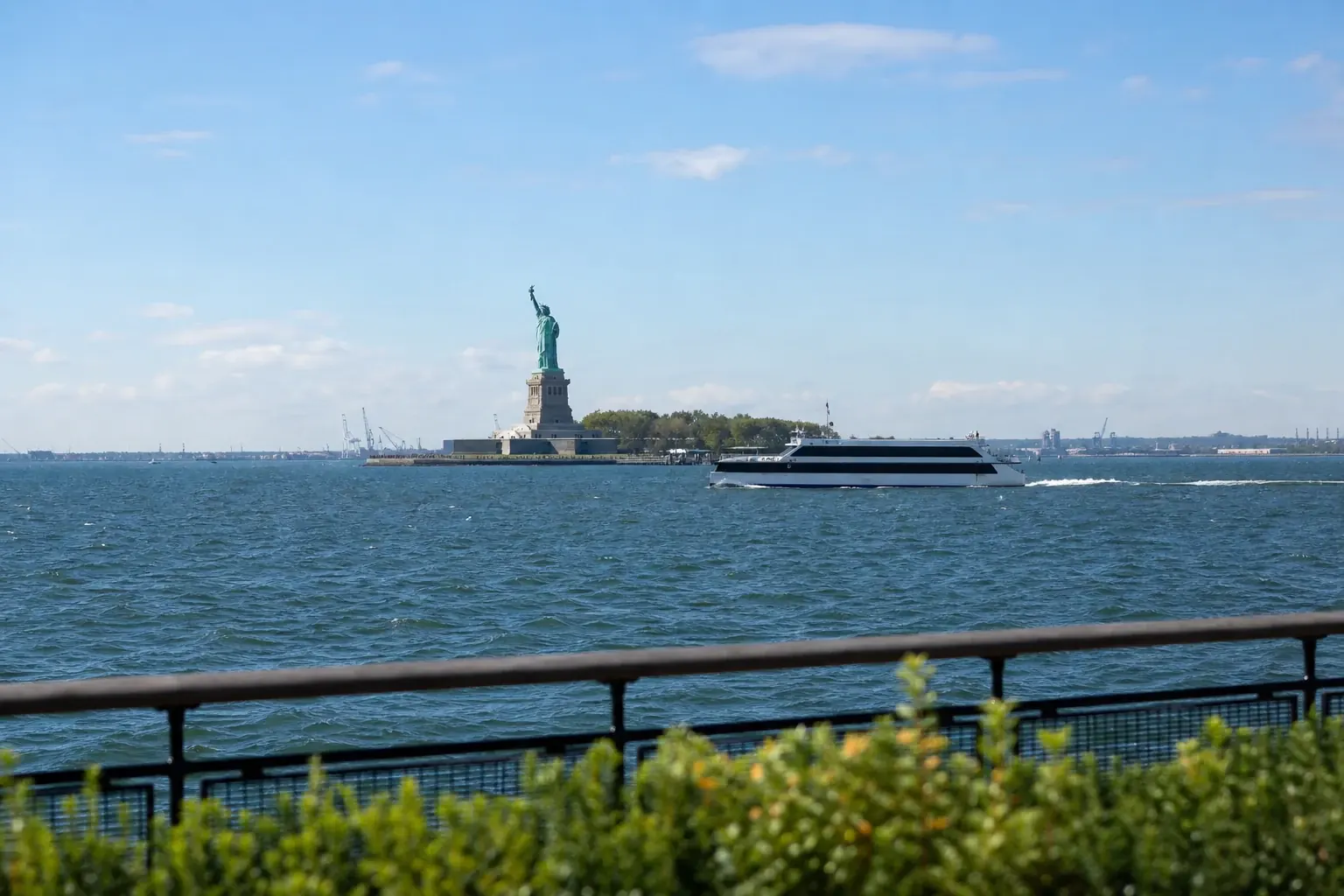
Short on time or budget? The Staten Island Ferry runs 24 hours a day, completely free, and passes within photo range of the Statue of Liberty on its way across the harbor. Ride to Staten Island, stay on or grab the next boat back, and you get skyline and Lady Liberty views without a ticket. It is one of the best free things to do in Lower Manhattan.
Wall Street and the Charging Bull
Wall Street packs the New York Stock Exchange, Federal Hall (where George Washington took the first presidential oath), and the bronze Charging Bull near Bowling Green into a few tight blocks. The Bull draws a constant photo line, so early morning is your friend. The narrow canyons of Financial District streets feel especially dramatic before the workday fills them.
The Brooklyn Bridge Walk
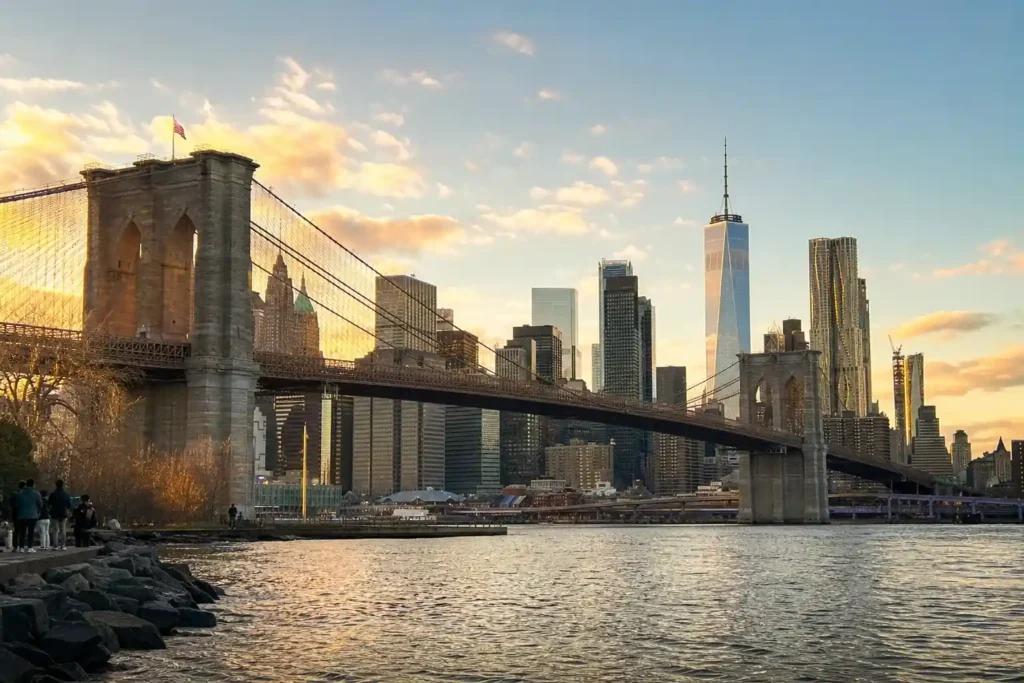
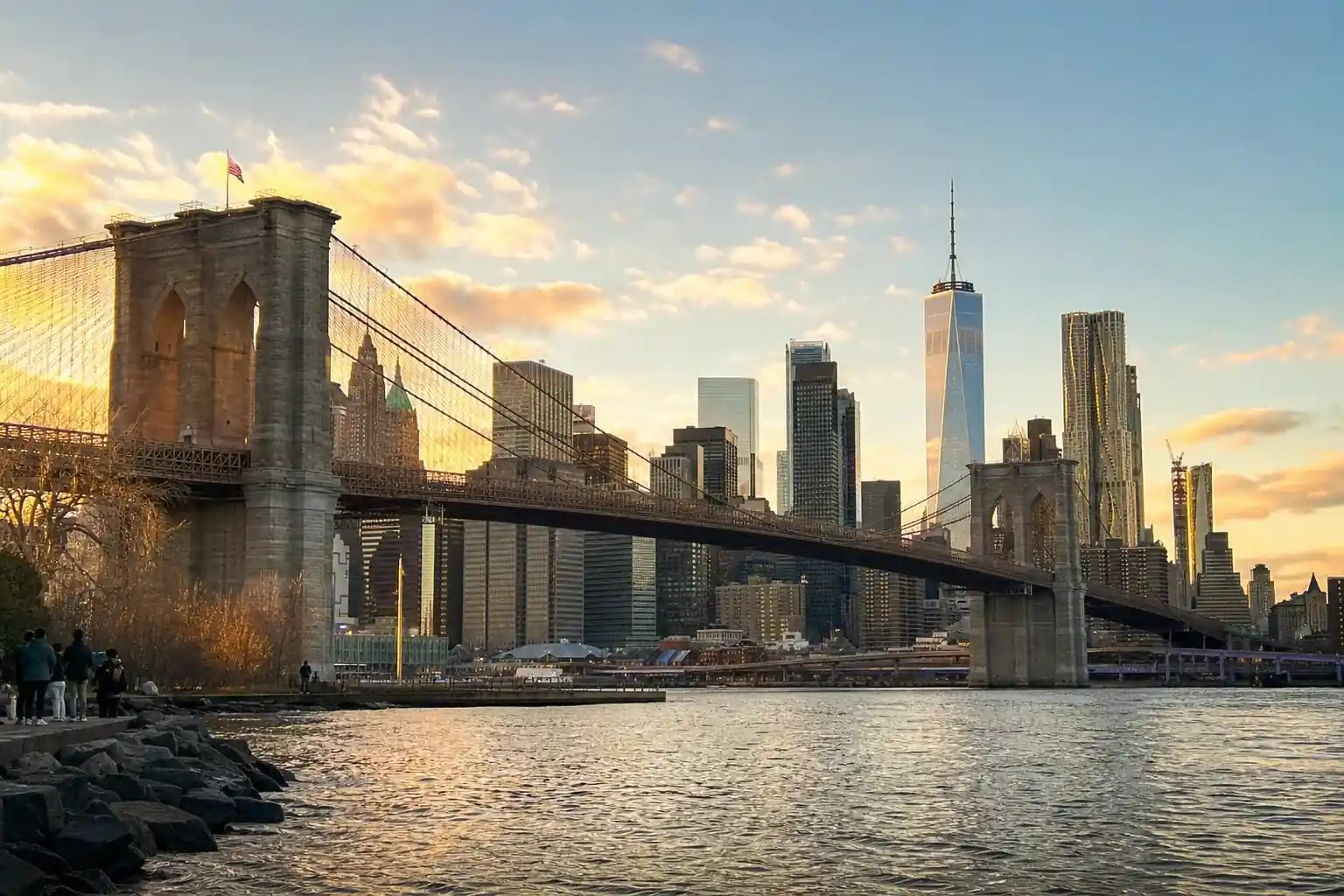
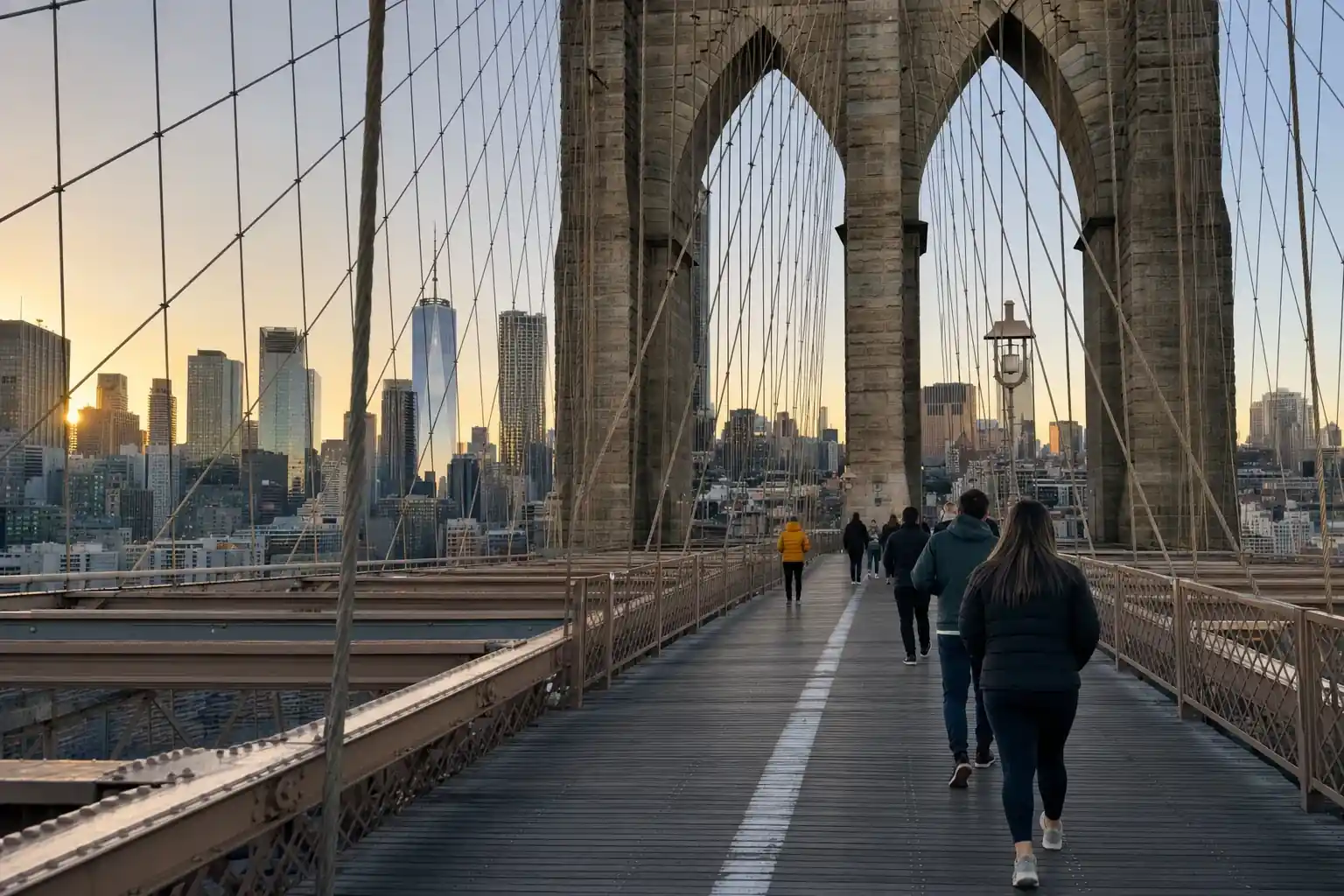
Walking the Brooklyn Bridge is non-negotiable. The elevated wooden promenade carries you above the traffic, past the Gothic stone arches, with the skyline behind you and Brooklyn ahead. The full crossing runs a little over a mile. Start on the Manhattan side near City Hall and walk toward Brooklyn for the best skyline views over your shoulder. Sunrise and the hour before sunset give you the light and thinner crowds.
Trinity Church and Alexander Hamilton’s Grave
At the head of Wall Street stands Trinity Church, its dark spire once the tallest structure in the city. The churchyard holds Alexander Hamilton’s grave, a quiet stop that has drawn far bigger crowds since the musical. It is free, contemplative, and a two-minute detour from the Stock Exchange.
South Street Seaport
On the East River under the Brooklyn Bridge, the Seaport blends restored 19th-century buildings, cobblestone streets, historic tall ships, and modern restaurants. Pier 17 hosts a rooftop with summer concerts and skyline views. It is a relaxed way to end an afternoon, with the bridge lit up as the sky goes dark.
Parks and the Waterfront
Lower Manhattan is ringed by water, and its parks give you the breathing room the dense streets do not.
The Battery
The Battery anchors the island’s southern tip with 25 acres of gardens, harbor views, and the ferry departure point. Come for the SeaGlass Carousel, a mesmerizing ride inside a nautilus-shaped pavilion, and stay for the open sightlines across the harbor. It is the natural starting or ending point for a downtown loop.
The High Line and the Whitney
The High Line, an elevated park built on an old freight rail line, begins its southern end in the Meatpacking District beside the Whitney Museum of American Art. Walk north through planted gardens and art installations suspended above the streets. The Whitney’s collection of American art and its wraparound terraces make the pair an easy half-day on the west side.
Little Island
Just north of the High Line’s start, Little Island floats over the Hudson on tulip-shaped concrete pilings. This free public park has rolling lawns, an amphitheater, and viewpoints back toward the skyline. It is small, strange, and worth the twenty-minute wander.
Hudson River Park Esplanade
The Hudson River Park runs the length of the west side, a continuous ribbon of piers, lawns, bike paths, and benches facing New Jersey and the sunset. When downtown’s streets feel tight, the esplanade is where locals go to exhale. Stroll a stretch of it at dusk and you understand why waterfront real estate here is what it is.
Neighborhoods Worth Wandering
The icons pull the crowds, but the neighborhoods are where Lower Manhattan actually lives. Give yourself unstructured time to wander.
SoHo
SoHo means South of Houston, and its claim to fame is the largest concentration of cast-iron architecture in the world. The buildings are gorgeous, all ornate facades and tall windows, now housing flagship stores and galleries. Come to shop, come to photograph the streets, or just drift down Greene and Mercer to admire the ironwork.
Chinatown
One of the largest Chinatowns in the Western Hemisphere, this neighborhood rewards aimless exploration. Herbal shops, dumpling counters, produce stalls, and bakeries fill blocks that shift character every few steps. Mott and Mulberry Streets are the historic spine. Come hungry.
Little Italy
Little Italy has shrunk over the decades as Chinatown expanded around it, but Mulberry Street still delivers the red-sauce restaurants, espresso bars, and cannoli windows. During the September Feast of San Gennaro, the whole strip turns into a street festival. Any time of year, it is a good place for a pastry and a coffee.
Greenwich Village
The Village trades the grid for winding, tree-lined streets and low brownstones. Washington Square Park, with its marble arch and fountain, is the social center, ringed by NYU and full of musicians and chess players. Jazz clubs, historic cafes, and quiet residential blocks make this the neighborhood people fall in love with. Get lost on purpose.
Tribeca
The Triangle Below Canal is where old industrial warehouses became some of the most coveted lofts and restaurants in the city. It is quieter and more polished than its neighbors, with cobblestone streets and destination dining. Walk it in the evening when the restored buildings glow.
Where to Eat in Lower Manhattan
Food is half the reason to spend a day down here. These are the anchors.
- Katz’s Delicatessen (Lower East Side): the pastrami on rye is a genuine institution, hand-carved and piled high, served the same way for well over a century. Expect a line. It is worth it.
- Chinatown dim sum: roll up to one of the big banquet halls or a tiny dumpling counter and eat your way through soup dumplings, har gow, and roast pork buns. Hard to spend a lot, hard to eat badly.
- Little Italy cannoli: grab a fresh-filled cannoli and an espresso on Mulberry Street. The shells should be crisp, filled to order, not sitting in a case.
- Dominique Ansel Bakery (SoHo): the birthplace of the Cronut, the croissant-doughnut hybrid that started a global craze. Go early because the day’s batch sells out fast.
- Stone Street: a pedestrian cobblestone lane in the Financial District lined with pubs and restaurants that spill outdoor tables across the stones in warm weather. Great lunch or after-work stop near Wall Street.
- Eataly and Brookfield Place food halls: when your group cannot agree, these food halls solve it. Eataly downtown sits inside the World Trade Center complex, and Brookfield Place’s Hudson Eats delivers a range of quality counters with river views.
A Perfect One-Day Lower Manhattan Itinerary
Here is where most guides stop being useful. A list of 23 things to do in Lower Manhattan is not a plan. This is a real morning-to-evening route that moves in a sensible geographic arc so you spend the day seeing things, not doubling back. Think of it as a Lower Manhattan itinerary you can follow start to finish.
8:00 a.m. Start at the Battery. Take the first Statue of Liberty and Ellis Island ferry of the day from Castle Clinton. Early departure means shorter security lines and cooler air on the water. Do Liberty Island, then Ellis Island’s immigration museum. Back at the Battery by late morning.
11:30 a.m. Walk to the World Trade Center. From the Battery it is a straight shot north up to the 9/11 Memorial pools. Spend quiet time on the plaza, then decide between the museum below or ascending One World Observatory for the view. On a clear day, the observatory wins. Step into the Oculus afterward to see Calatrava’s ribs from the inside.
1:00 p.m. Lunch on Stone Street or in Chinatown. If you want to stay in the Financial District, grab a table on cobblestoned Stone Street. If you would rather eat your way through dumplings, it is a short ride or a fifteen-minute walk northeast to Chinatown.
2:30 p.m. Wall Street and Trinity Church. Loop down to the Charging Bull, Federal Hall, and the Stock Exchange, then step into Trinity Church’s graveyard to find Hamilton. This whole cluster takes under an hour at a relaxed pace.
4:30 p.m. Walk the Brooklyn Bridge at golden hour. Head to the Manhattan-side entrance near City Hall and cross toward Brooklyn as the light turns. The skyline behind you catches fire at sunset. Walk to the Brooklyn side, take your photos from the promenade or nearby Dumbo, then head back.
7:00 p.m. Dinner in Little Italy or the Lower East Side. Cap the day with red sauce and cannoli on Mulberry Street, or push into the LES for Katz’s pastrami and a livelier night scene. Both sit within easy reach of the bridge, and both send you home full.
That sequence keeps you moving north and east across the day, riding the light instead of fighting it. Adjust the anchors to taste, but hold the geographic logic.
How Many Days Do You Need?
The honest answer to how many days in Lower Manhattan comes down to what you want.
One focused day hits the essential things to do in Lower Manhattan. Follow the itinerary above and you will see the Statue of Liberty, the 9/11 Memorial, Wall Street, and the Brooklyn Bridge, with a real meal at each end. It is a full, satisfying day.
Two days is the sweet spot. The second day frees you to slow down: wander SoHo and Greenwich Village, spend real time inside a museum, ride the Staten Island Ferry, walk the High Line and Little Island, and eat through Chinatown without watching the clock. The icons are the skeleton; the neighborhoods and food are the flesh, and they need unhurried hours.
Three days or more lets you treat Lower Manhattan as a base and branch out. This is when day trips out of the city become appealing, from Hudson Valley towns to the Jersey Shore, easily arranged with city-to-city car service if you would rather not rent and park.
Best Time to Visit and Timing Tips
The best time to visit Lower Manhattan is late spring and early fall, when the weather cooperates and the waterfront is at its best. May, June, September, and October give you comfortable temperatures and long daylight. Summer brings heat, humidity, and the thickest crowds at the ferries and memorial. Winter clears the tourists but tests you on the exposed harbor and bridge.
A few timing rules save the day regardless of season:
- Take the earliest Statue ferry. Lines for security and boarding balloon by late morning. First departure is the single biggest time-saver on this list.
- Avoid Wall Street at weekday lunch. The Financial District’s narrow streets choke with office workers between noon and 2 p.m. See the Bull and the Exchange early morning or on a weekend when the area empties out.
- Time the Brooklyn Bridge for sunrise or the hour before sunset. Midday means harsh light and shoulder-to-shoulder crowds. Dawn gives you a nearly empty bridge; dusk gives you the skyline glowing.
- Book timed tickets ahead for the 9/11 Museum, One World Observatory, and any Statue crown access. Walk-up availability is unreliable in high season.
Getting to Lower Manhattan from the Airports
Your day starts before you reach the Battery. How you get in from the airport sets the tone, and the three major airports are not equal for a downtown destination.
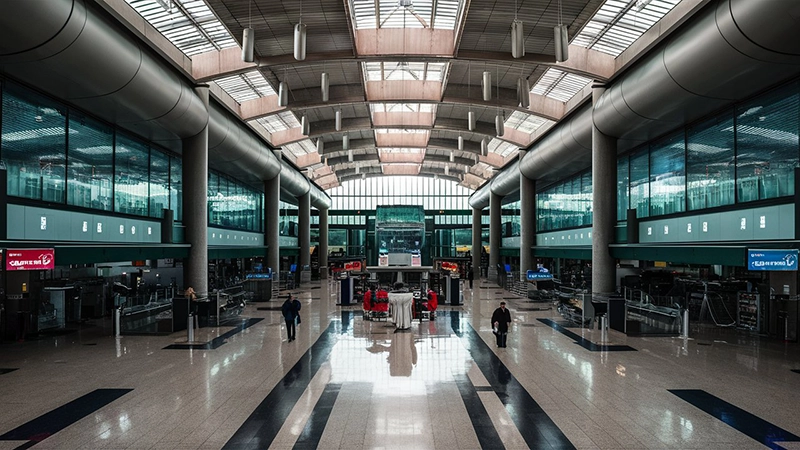
Newark (EWR) is often the fastest to the West Side and downtown despite being in New Jersey. The Holland and Lincoln Tunnels feed straight into Lower Manhattan, and outside rush hour the run is quick. Travelers heading to Tribeca, Battery Park City, or a FiDi hotel are frequently surprised that Newark beats the New York airports. A car service from Newark airport drops you at the door without the transfer juggling that transit requires.
JFK sits in southeastern Queens. The ride to Lower Manhattan runs longer and leans heavily on traffic conditions on the Belt Parkway or through Brooklyn. With bags and a schedule, a car service from JFK to Manhattan takes the guesswork out of a variable trip.
LaGuardia (LGA) is closest in raw distance from northern Queens, but it has no direct train and its highway approaches jam easily. A LaGuardia airport car service is usually the smoothest option into downtown, particularly at rush hour when the alternatives crawl.
If you are still deciding which airport to fly into, it is worth taking a minute to compare the airports on travel time, cost, and reliability before you book flights. The right choice can save you an hour on arrival day.
Getting Around Once You’re There
Lower Manhattan is walkable, and that is the first thing to embrace. The Financial District icons cluster tightly, and half the joy is drifting between them on foot. But do not underestimate the spread. From the Battery at the bottom to the High Line and Greenwich Village near 14th Street is a real distance, and the neighborhoods fan out east and west rather than lining up on one axis.
The subway covers the gaps well when you know the lines. The 1 train runs down the West Side to South Ferry at the Battery. The 4/5 express serves Wall Street and Bowling Green. The R/W stops at Rector Street and City Hall. The J/Z reaches the Financial District and crosses into Brooklyn. A single ride resets your feet when the walking adds up.
Getting around Lower Manhattan on foot and rail handles most trips. There are moments, though, when a private car by the hour is the better call:
- You are moving as a group and splitting into multiple rideshares each time gets expensive and disorganized.
- Your time is tight and you want to hit spread-out spots, from the Battery to the High Line to a Village dinner, without the wait-and-hail cycle between each.
- Someone has mobility needs and long walks or subway stairs are not workable.
- The weather turns, and January wind off the harbor or an August thunderstorm makes door-to-door travel worth every penny.
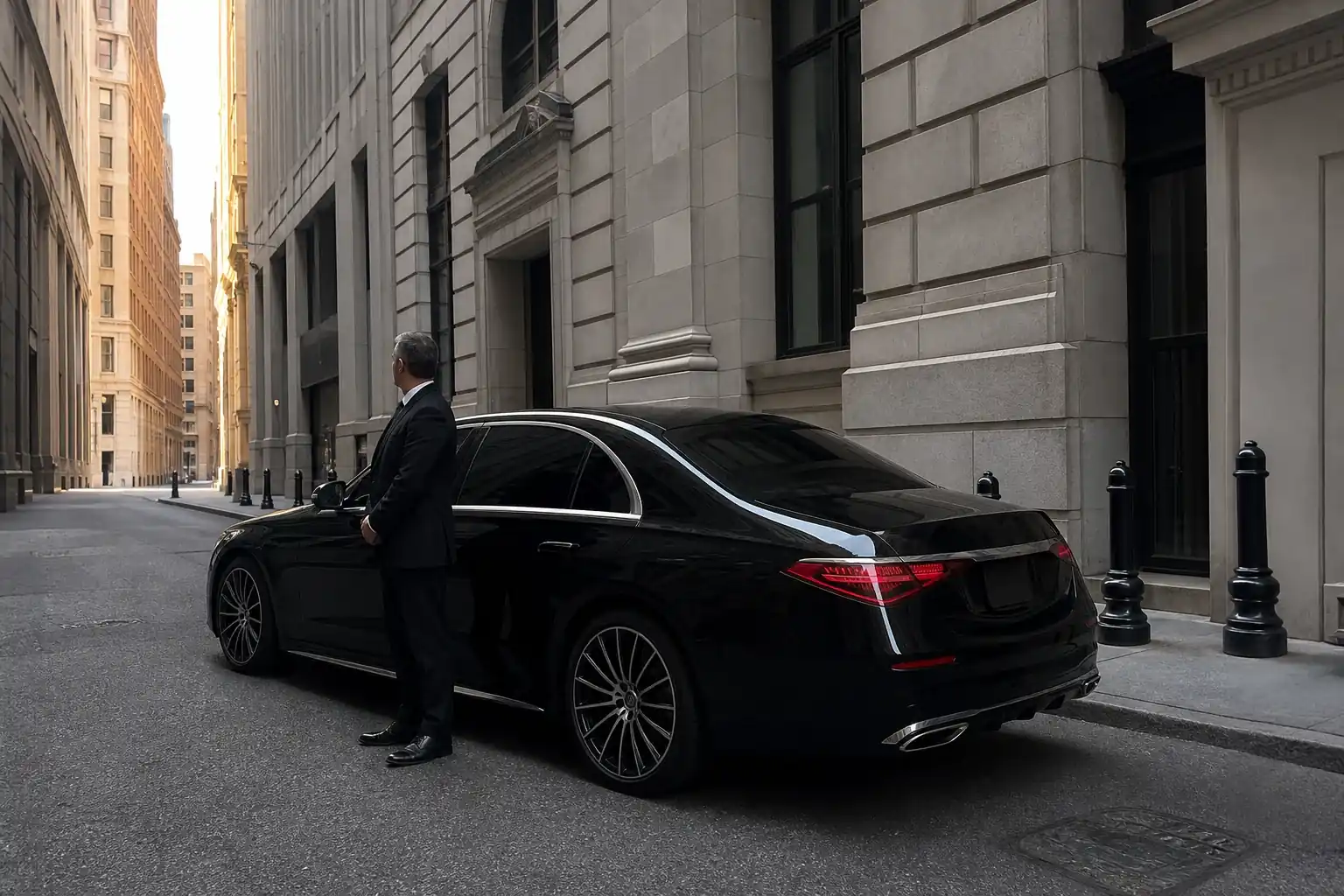
For a full day of sightseeing, the cleanest solution is to hire a chauffeur by the hour. One car, one driver who knows the downtown grid, staying with you from the morning ferry to the evening cannoli. You skip the parking, the surge pricing, and the standing on corners, and you gain a rolling base for bags, coats, and shopping bags. Rates are worth checking up front, and you can see our transparent, fixed rates before you commit so there are no surprises at the end of the day.
Frequently Asked Questions
Is Lower Manhattan worth visiting?
Yes. Lower Manhattan holds the highest concentration of major landmarks in New York, from the Statue of Liberty and the 9/11 Memorial to Wall Street and the Brooklyn Bridge, all within a compact, walkable area. If you have one day in the city, this is where to spend it.
How many days do you need in Lower Manhattan?
One focused day covers the essential icons if you plan the route well. Two days is ideal, adding time for neighborhoods like SoHo and Greenwich Village, museums, the waterfront parks, and unhurried meals in Chinatown and Little Italy.
Is Lower Manhattan walkable?
Very. The core Financial District sights sit within a few blocks of each other. That said, the full area stretches from the Battery up to 14th Street and spreads east to west, so a subway ride or a private car helps when you are covering ground between distant neighborhoods.
What is the best free thing to do in Lower Manhattan?
The Staten Island Ferry. It runs free around the clock and passes close to the Statue of Liberty with sweeping skyline views. The 9/11 Memorial plaza, the Battery, and Little Island are also free and worth your time.
What is the best way to get from the airport to Lower Manhattan?
A private car is the most direct option with luggage. Newark is often the fastest to downtown and the West Side via the tunnels, while JFK and LaGuardia trips depend heavily on traffic. A pre-booked airport car service delivers you to the door without transfers.
Is Lower Manhattan safe at night?
The main tourist areas are busy and well-populated into the evening, especially the Seaport, Stone Street, the Lower East Side, and the Village. Use ordinary city awareness, stay on active streets, and you will be fine. If you would rather not navigate late-night transit, a scheduled car is a comfortable way to end the night.
Plan the Day, Then Enjoy It
The best things to do in Lower Manhattan reward a little strategy. Book your timed tickets, take the early ferry, ride the light on the Brooklyn Bridge, and let the neighborhoods fill the hours between the icons. Handle the logistics well and the day feels effortless instead of exhausting. When you would rather watch the city roll by than decode the subway map, we are downtown and glad to drive.